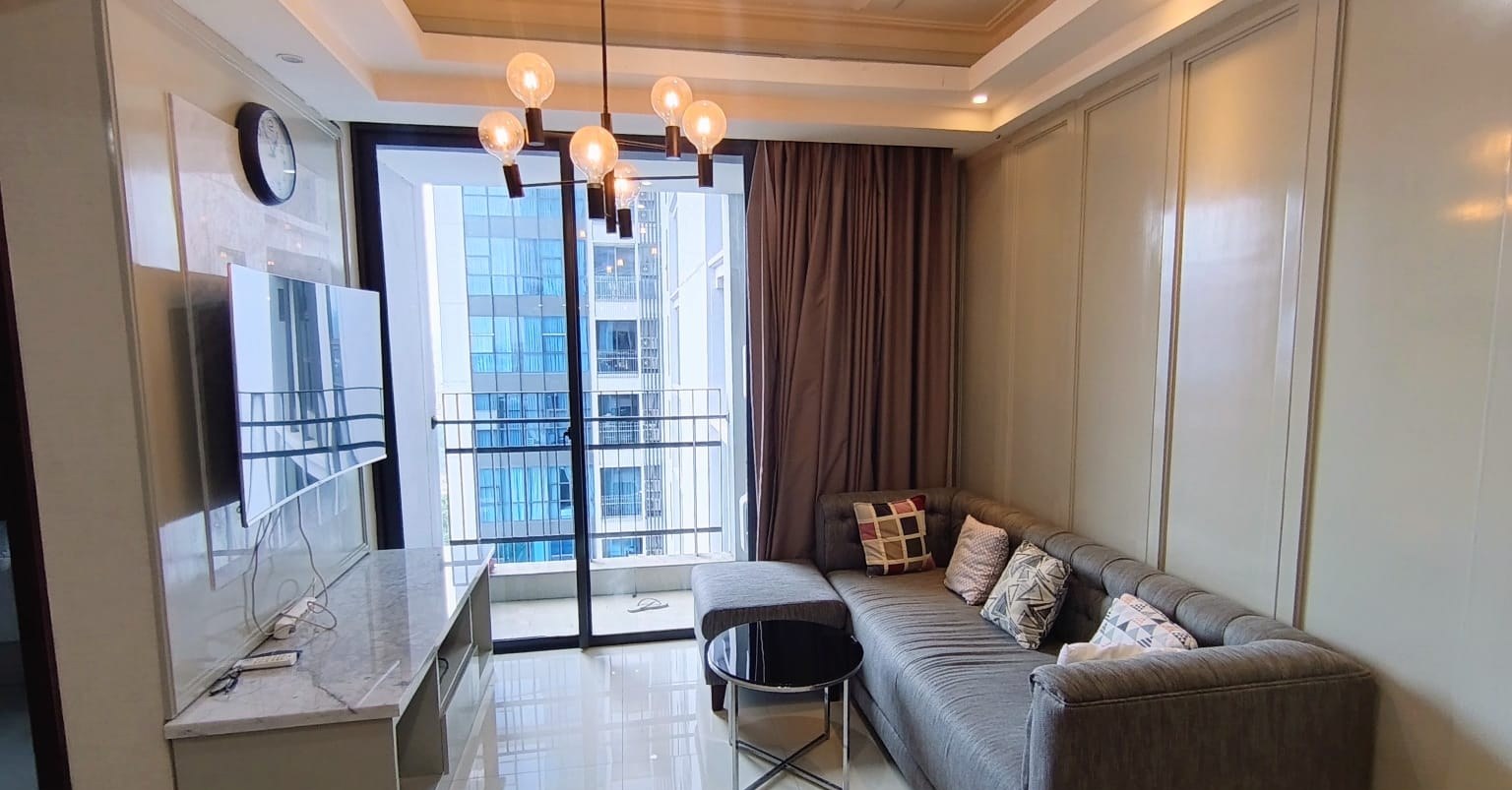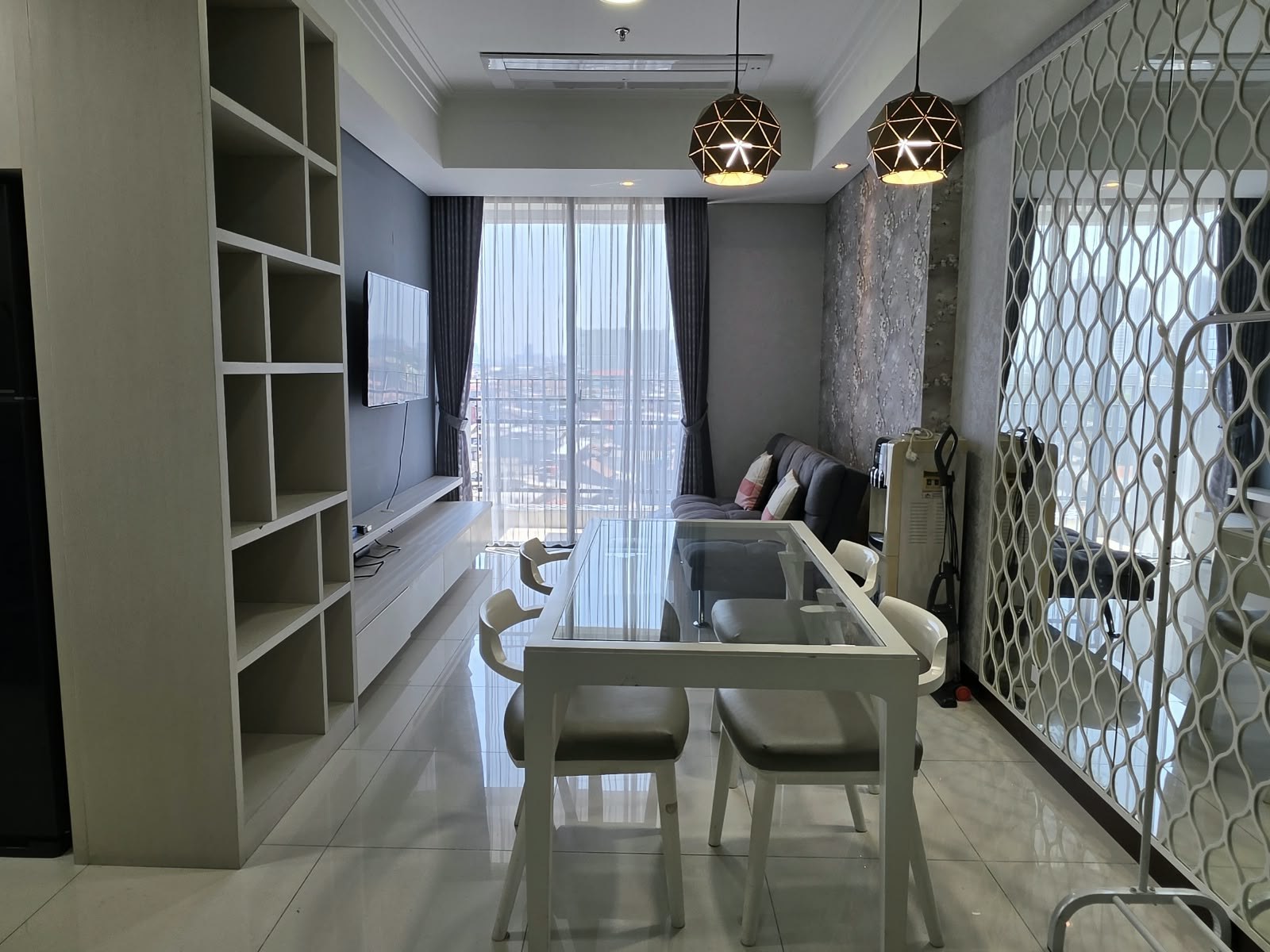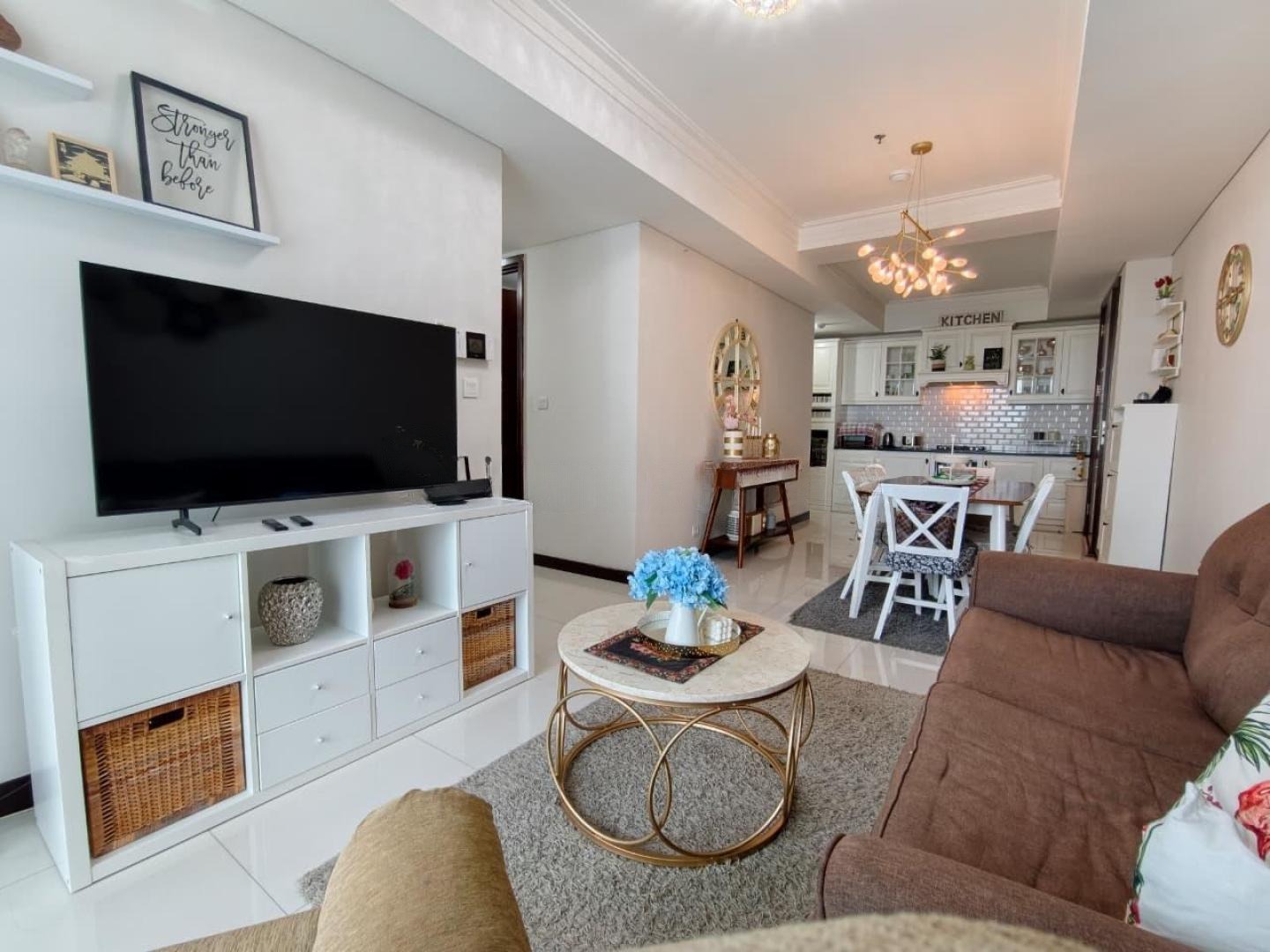
Casa Grande Phase 1 vs Phase 2: Price Stability Compared
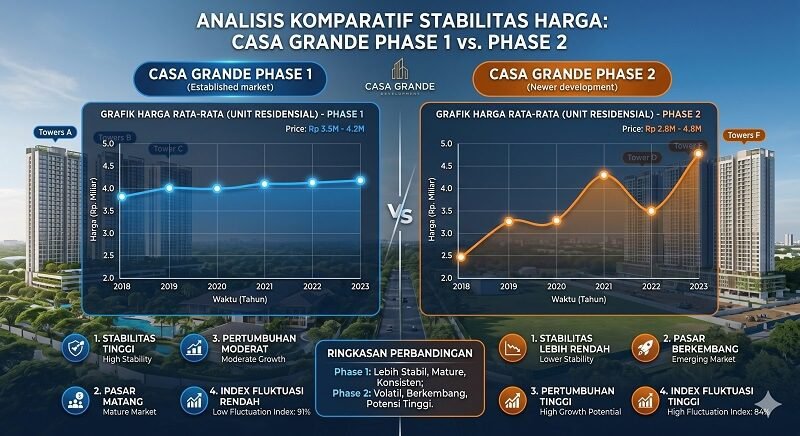
Casa Grande Phase 1 vs Phase 2: what to know first
Casa Grande Residence is a premium apartment complex in the Kota Kasablanka superblock in South Jakarta, developed by Pakuwon Group. It is split into two phases. Phase 1 consists of Tower Avalon, Mirage, Montana and Montreal, while Phase 2 consists of Tower Angelo, Bella, Chianti and other supporting towers.
If you are an expatriate deciding where to rent or buy, the choice between phases affects unit size, building age and how prices behave over time. This article adapts a comparison published on our Indonesian site. Prices can change, so ask your agent to confirm current numbers.
History and physical character of each phase
Phase 1 was launched and completed earlier. It positioned itself as a pioneer of vertical living directly connected to Mall Kota Kasablanka. Its units tend to have larger, semi-classic layouts, a style that was popular when it was built.
Phase 2 takes a more modern architectural approach, with a more contemporary facade and upgraded interior materials. The difference in building age naturally created a significant gap in launching prices. Over time, the secondary (resale) market has shown an interesting pattern, where the physical ageing of Phase 1 competes with the maturity of its surroundings and tenant loyalty.
Side-by-side comparison
The source article gives the following comparison of the two phases. Treat the yield figures as general estimates, not guarantees, and check them against current listings.
- Towers: Phase 1 has Avalon, Mirage, Montana and Montreal; Phase 2 has Angelo, Bella and Chianti.
- Handover years: Phase 1 around 2012 to 2014; Phase 2 around 2018 to 2020.
- Design: Phase 1 is classic modern with generally spacious units; Phase 2 is luxurious contemporary with efficient use of space.
- Secondary price stability: Phase 1 is very stable (mature consolidation); Phase 2 shows premium fluctuation (growth potential).
- Average rental yield: Phase 1 7% to 8.5% per year; Phase 2 6.5% to 8% per year.
- Main target market: Phase 1 expatriates and larger families; Phase 2 young professionals and single executives.
Why Phase 1 prices are steady
Phase 1 is a mature asset. It has been operating for more than a decade, so price swings caused by market speculation have eased. Current prices reflect real value based on healthy secondary supply and demand.
A key anchor is strong rental demand from expatriates. Units in Tower Avalon, for example, are known for very large sizes and private lifts. This is rarely found in newer apartments, which tend to shrink unit sizes to keep the total price down.
Phase 2: newer, with a price premium
Phase 2 prices are more dynamic and more sensitive to wider economic trends. Its price per square metre carries the premium of modern construction costs and material inflation during building. Towers such as Chianti and Angelo offer grander lobbies, better air filtration and more efficient access to the expansion area of Mall Kota Kasablanka.
Because the entry price is relatively higher, Phase 2 owners need to set higher rents to match the return percentage of Phase 1. The source notes this can sometimes be a challenge given expatriate demand in certain periods.
Which phase handles inflation better?
Both phases perform solidly, but with different investment characters.
- Phase 1 acts like a defensive blue-chip stock: its price tends to be flat but firm at its support level, backed by a long-established resident community and loyal tenants.
- Phase 2 acts as a growth asset: when the economy improves and upper-middle-class purchasing power rises, it is the first to see demand jump. Affluent buyers in Jakarta tend to prefer newer buildings for social status and because they need less cosmetic renovation.
Building management by Pakuwon Group
The source article notes that one major reason apartment prices in Jakarta fall after 5-10 years is a breakdown in property management. It says Pakuwon has avoided this trend. Both phases receive regular, strict maintenance.
This covers the resort-themed swimming pool, the gym, layered access-card security and the upkeep of the main lobby, which the article says is kept to five-star hotel standards.
Which phase should you choose?
Both phases have price stability well above the average Jakarta apartment market, according to the source. The choice depends on your risk profile and financial goals.
- Choose Phase 1 if you want regular rental cash flow, like spacious units and prefer a lower entry price per square metre with minimal risk of value loss.
- Choose Phase 2 if you want long-term capital gain, modern architecture and an asset attractive to the next generation of young executives.
Planning your move to Casa Grande
Whether you want to rent a large Phase 1 unit or buy in a newer Phase 2 tower, talk to an agent who knows the complex. Contact Best Property Jakarta to ask about current availability, prices and viewings.
Frequently Asked Questions
Which Casa Grande phase has more stable prices?
The source describes Phase 1 as very stable (mature consolidation) and Phase 2 as showing premium fluctuation with growth potential.
What rental yield can I expect at Casa Grande?
The source gives average yields of 7% to 8.5% per year for Phase 1 and 6.5% to 8% per year for Phase 2. These are general figures and can change.
Which phase suits expatriates and families?
The source lists expatriates and larger families as the main market for Phase 1, which has more spacious units. Phase 2 targets young professionals and single executives.
Who developed and manages Casa Grande?
Pakuwon Group developed it in the Kota Kasablanka superblock in South Jakarta, and the source credits Pakuwon with managing the complex to a high standard.
When were the two phases handed over?
Around 2012 to 2014 for Phase 1 and around 2018 to 2020 for Phase 2, according to the source.