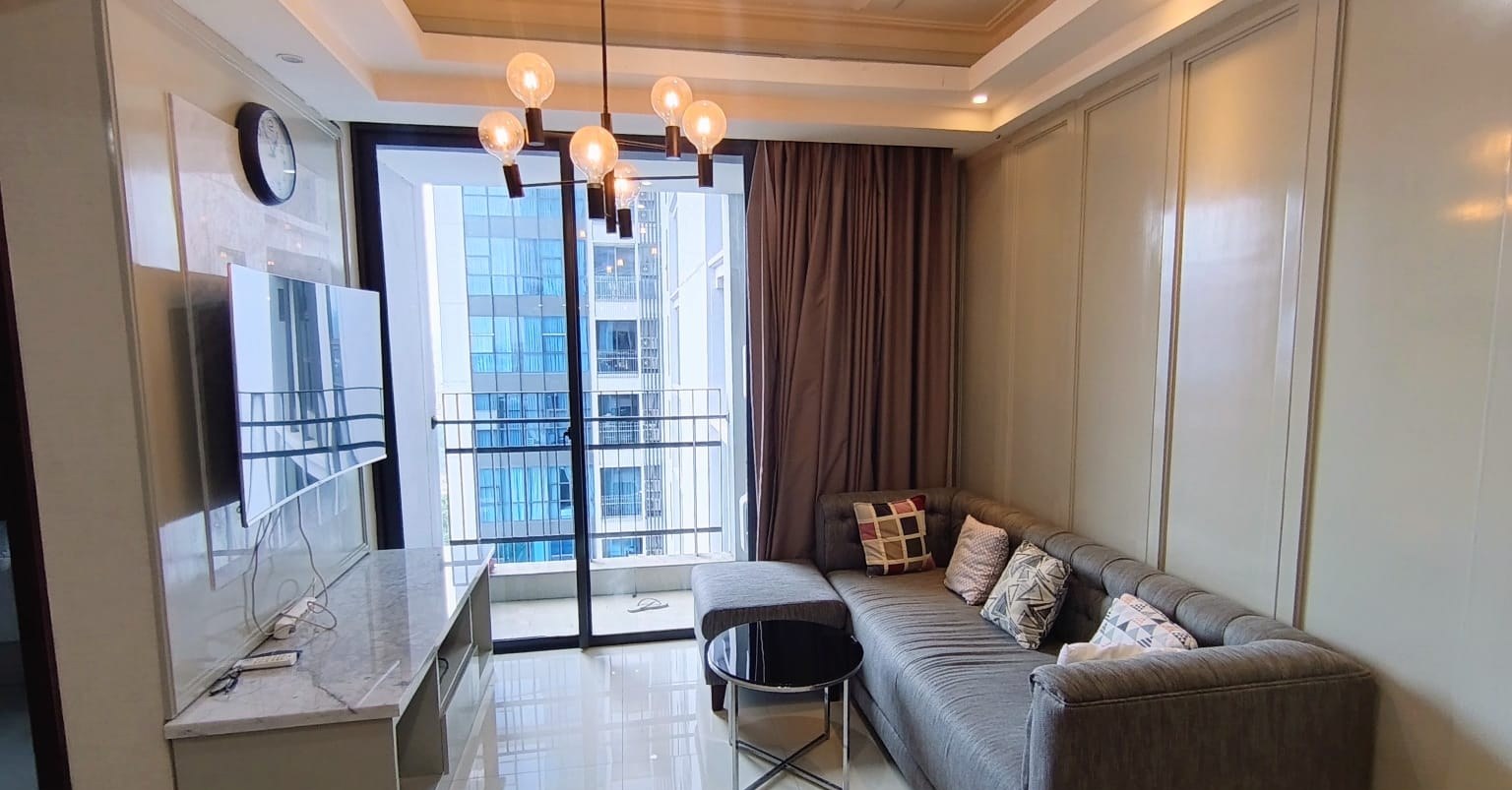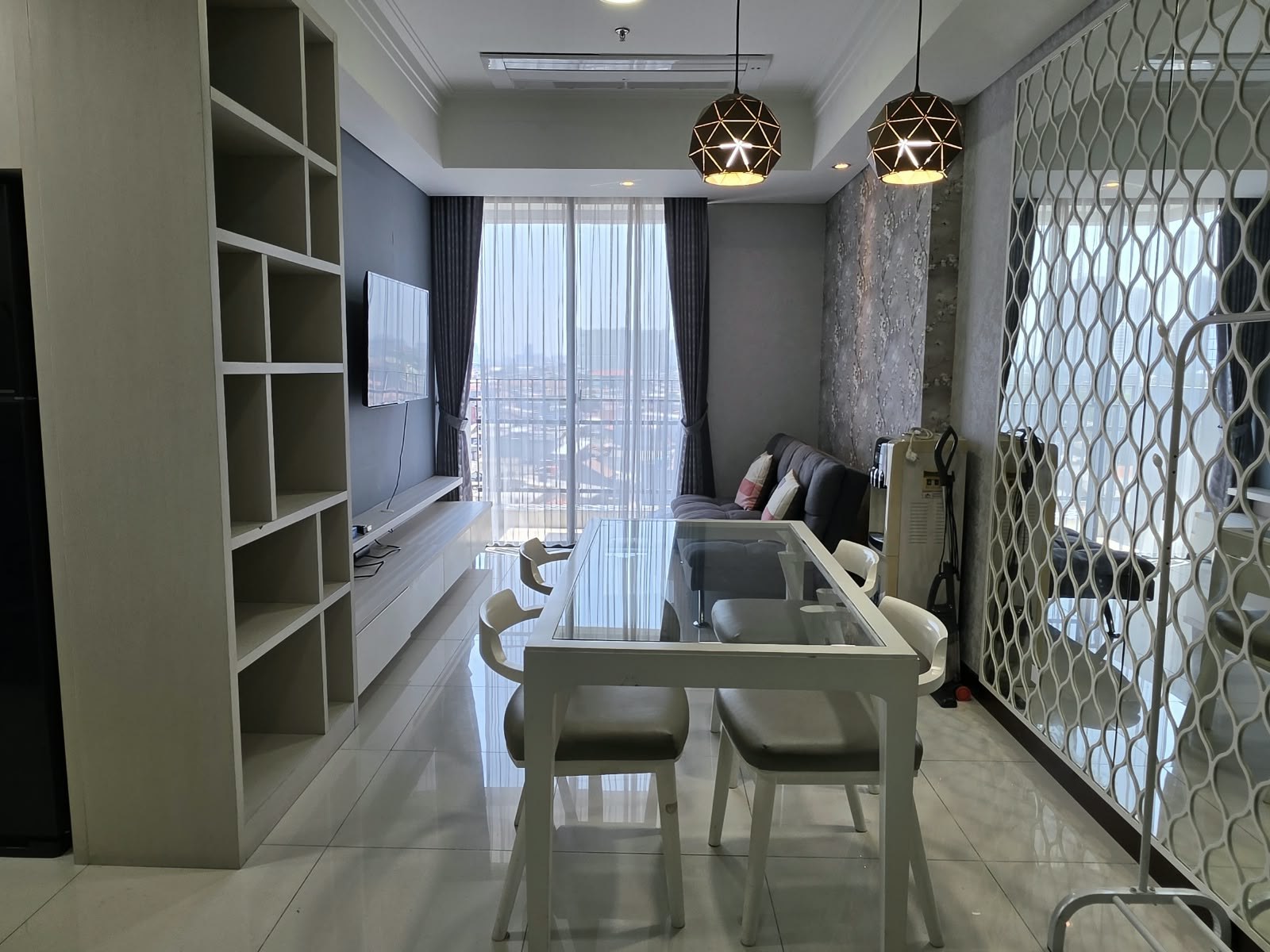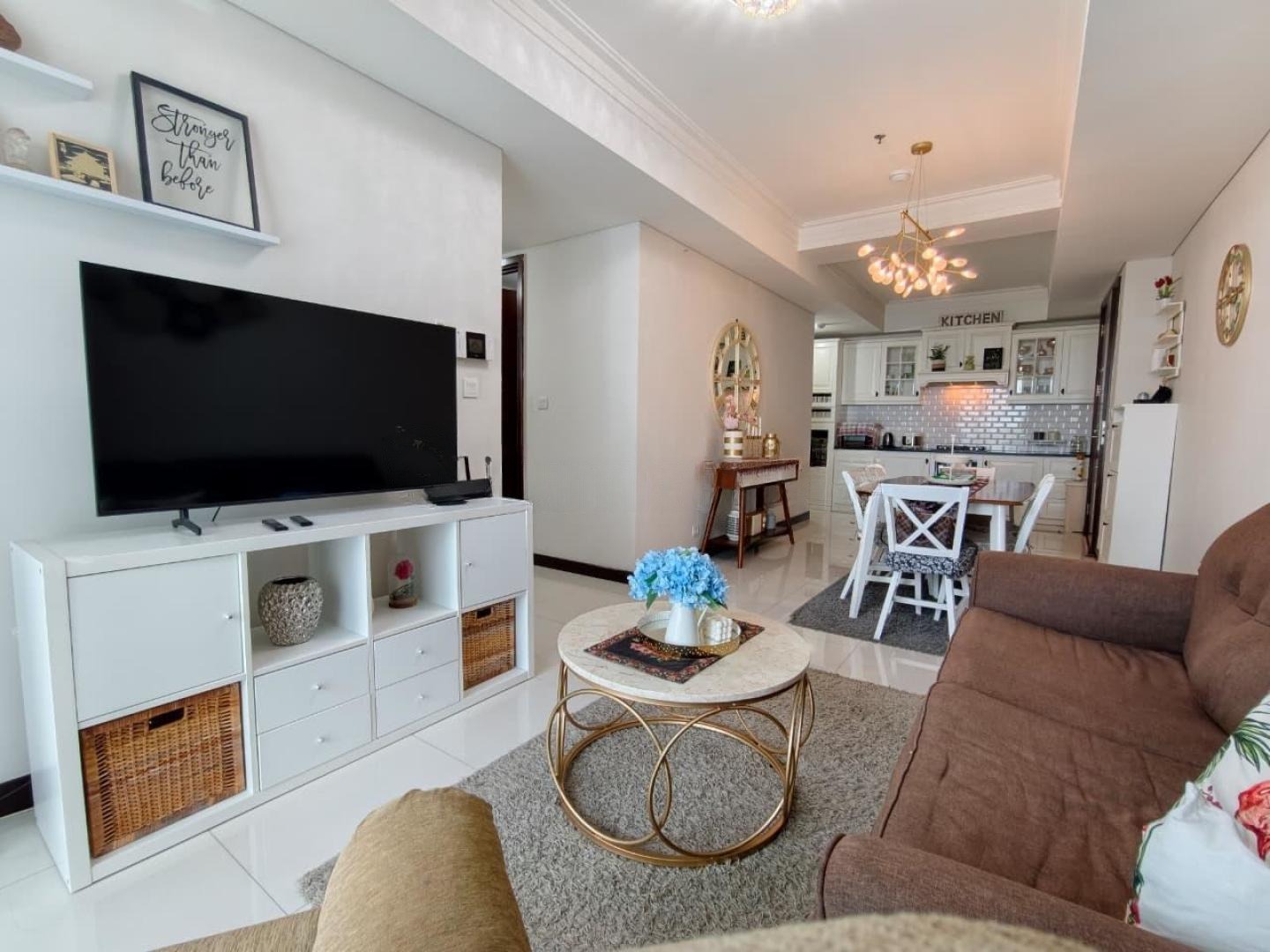
Casa Grande Residence Lift Speed vs High-Density Apartments
Casa Grande Residence lift speed: why it matters when you choose a home
In Jakarta's vertical living, time is a very valuable commodity. For residents of luxury apartments, waiting for a lift is not only a technical matter. It reflects comfort, status and exclusivity.
Casa Grande Residence is integrated with Mall Kota Kasablanka and is often a reference point for upscale living. So how does its vertical transport compare with the high-density apartments that are spreading across the capital? This guide adapts the comparison for newcomers deciding where to rent or buy.
What really decides lift speed
Many people assume a fast lift just means a fast motor. Physical speed is measured in metres per second, but real convenience depends on three linked variables.
In high-density buildings the main problem is usually not a slow motor but too many stops. The lift ratio is unbalanced against the number of units per floor, which creates a "vertical bus" that stops at almost every floor.
- Velocity: the nominal speed of the lift when it travels without interruption.
- Waiting time: the average time from pressing the button until the door opens in front of you.
- Handling capacity: the ability of the lift system to carry a share of the building's population during the busiest 5 minutes, such as the morning departure to work.
How Casa Grande Residence approaches it
Casa Grande Residence, especially in newer phases such as Tower Angelo, Bella and Chianti, was designed with a low to medium density philosophy. A key difference from typical apartments is the availability of a private lift for certain unit types.
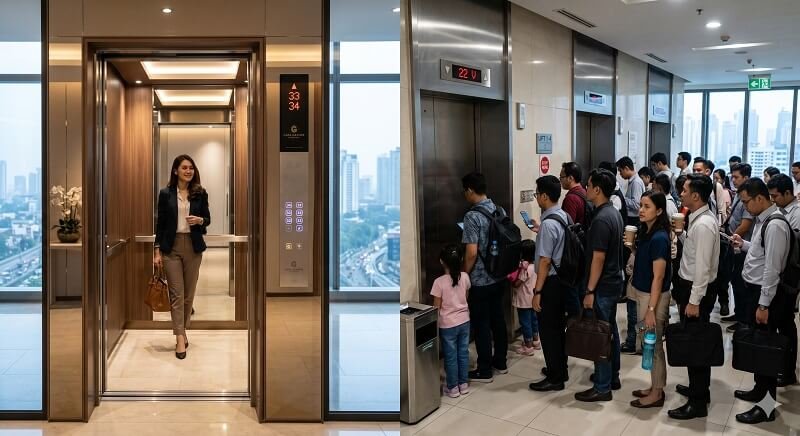
With a private lift, access is given only to the owner of a particular unit through a special access card that leads directly to a private foyer. This reduces disturbance from other residents and cuts waiting time. Casa Grande also uses zoning, with low, mid and high floor zones, so lifts do not have to serve every floor at once. As a result, a trip from the lobby to floor 30 or 40 can take just seconds.
The stop-and-go problem in high-density apartments
High-density apartments usually means projects with thousands of units in one or two towers. A single floor can have 30 to 50 residential units. Even with standard motor speed, the large population creates real bottlenecks.
At the morning peak, lifts tend to stop at nearly every second or third floor, and each stop takes about 10 to 15 seconds. If a lift stops 10 times on one trip down, residents on upper floors can lose up to several minutes just reaching the lobby.
Heavy use also wears lift components faster, so lifts go into maintenance or break down more often. When one lift is out, the load shifts to the others and long queues form in the lobby.
Daily experience, privacy and time
At Casa Grande, the lift lobby is described as calm, cool and uncrowded, a smooth transition from outside life to the privacy of home. In high-density apartments the lift lobby often feels cramped and noisy.
For a busy professional, a difference of 2 to 5 minutes each time you leave home may look small. Accumulated over a year, it adds up to dozens of hours of productive time. With a private lift, contact with strangers is also minimal, while in a high-density building the lift works as a very busy public space.
Effect on rent and resale value
Lift access is directly linked to resale value and rental price. Upper-market tenants and buyers in Jakarta are selective about vertical mobility, and a beautifully designed unit with a slow lift will struggle to hold its rental value in the premium market.
Casa Grande is described as one of the most sought-after residences in South Jakarta, helped by its reliable infrastructure and easy access to Mall Kota Kasablanka. Investors see maintenance spending on lift performance as worthwhile because it sustains resident satisfaction.
What to check before you sign
Visit at the morning peak and watch the lift lobby yourself. Ask the agent to confirm whether the unit you are considering has a private lift, how floor zoning works, and how lift maintenance is handled.
Compare buildings on waiting time and number of stops, not only on motor speed. We do not have current prices or unit availability in this article, so ask for up-to-date figures, as prices can change.
Conclusion: efficiency first
The comparison suggests that true luxury in vertical living is efficient movement. High-density apartments remain a solution for limited land, but for those who put time and comfort first, Casa Grande's lift infrastructure is presented as the gold standard in Jakarta.
Contact our team to arrange a viewing at the morning peak and compare lift access in person before you decide.
Frequently Asked Questions
What decides how fast a lift feels in an apartment?
Three things: velocity, waiting time and handling capacity, which is how well the system moves residents during the busiest 5 minutes.
Does Casa Grande Residence have private lifts?
Yes, for certain unit types. Access is by a special card that leads directly to a private foyer.
Why are lifts slower in high-density apartments?
Mainly because of frequent stops. A floor can have 30 to 50 units, and each stop takes about 10 to 15 seconds at peak times.
Does lift quality affect rent?
According to the article, lift access is directly linked to resale value and rental price in the premium market.
Which Casa Grande towers are mentioned?
Tower Angelo, Bella and Chianti, described as newer development phases.