Expat Community in Jakarta: Life at Casa Grande Residence
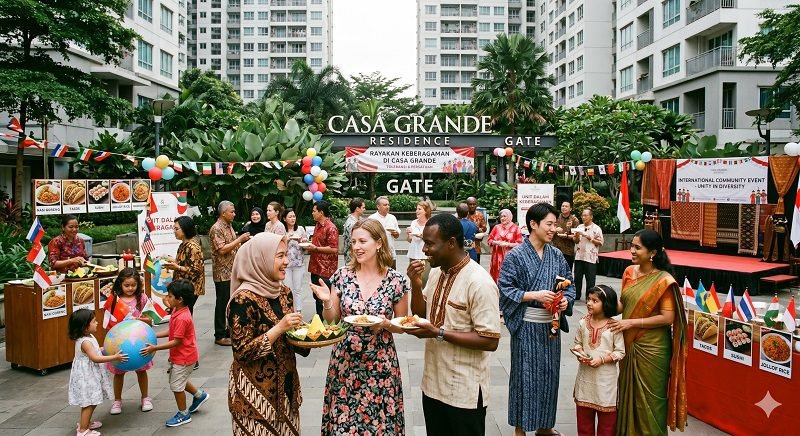
An Expat Community in Jakarta: Casa Grande Residence
Jakarta is a centre of business and economic activity in Southeast Asia, and it has become a cosmopolitan metropolis. For international residents, choosing a home is not only about security and physical luxury. Many also look for a welcoming, inclusive social environment.
Casa Grande Residence is a premium vertical residence (an apartment building) in South Jakarta, directly integrated with the Kota Kasablanka superblock, a large mixed-use development. This article looks at what living in its international community is like and what to check before you decide.
A Small World in South Jakarta
Casa Grande Residence is widely known as one of the most popular expatriate enclaves in the Golden Triangle area of Jakarta. In the tower corridors you can easily meet residents from Japan, South Korea, India, European countries, the United States and the Middle East. They live alongside Indonesian citizens from many ethnic and regional backgrounds.
This mix creates a distinctive atmosphere. In the shared facility areas you will not hear only one language or see only one lifestyle. For a newcomer, that can make settling in feel easier.
How Neighbours Live Together
Living in a multicultural community in an apartment building calls for a high level of consideration. Unlike a landed house, the limited space in an apartment makes contact between residents more frequent. The source describes tolerance at Casa Grande Residence as showing in several basic ways.
Respect for Traditions and Religious Holidays
Residents follow different faiths and celebrate different traditions. Eid al-Fitr, Christmas, Lunar New Year and Diwali are respected, as are international secular celebrations such as Halloween.
Residents give neighbours room to celebrate their special days peacefully and safely, without interfering.
Personal Space and Shared Etiquette
Every culture has its own idea of personal space and privacy. Residents are described as collectively aware of keeping corridors and lobbies quiet, respecting neighbours' privacy in the lift, and keeping shared facilities clean.
This shared etiquette is meant to keep a premium standard of comfort for everyone, whatever habits they bring from their home country.
Food as a Bridge
Shared areas such as the barbeque area, or mini food festivals held in the building, show the diversity clearly. Residents swap dishes from their home countries, from Korean-style grilled meat to Indonesian spices and Western food.
Tasting each other's cooking helps reduce social distance and builds closer relations between neighbours.
What the Building Management Does
According to the source, the harmony does not happen by chance. The building management (Badan Pengelola) plays a large part in designing policies and programmes that support an inclusive environment.
- Multilingual communication: important information, facility signs and circulars are provided in more than one language, at least Indonesian and English. Front office and tenant relations staff are described as trained in international communication.
- Social events: festivals, international food bazaars and group exercise classes such as yoga or a running club help foreign and local residents mix and widen their friendship networks.
- Fair, universal rules: rules on order, cleanliness, facility operating hours and domestic waste are described as applied fairly and transparently, regardless of nationality.
Raising Children in a Multicultural Building
For families with children, the source says the international setting brings educational benefits. The children's playground and children's swimming pool act as real-life learning spaces for social skills.
From an early age, children play with peers of different skin colours, languages and cultural backgrounds. This is said to shape more open-minded, adaptable children with strong cultural intelligence, and to prepare them as global citizens.
What to Check Before You Rent or Buy
The source describes the community, but it does not give prices, unit sizes or lease terms. Ask the agent for current figures and confirm them in writing, as prices and conditions can change.
Also ask to see the building rules and the details of any monthly service charge (IPL, the fee that pays for shared areas and management). Visit at different times of day to see the lobby, corridors and facilities for yourself.
Talk to Us About Casa Grande Residence
If you would like to know whether this community suits your household, contact Best Property Jakarta. We can help you compare available options and arrange a viewing.
Frequently Asked Questions
Is Casa Grande Residence popular with expatriates?
Yes. The source describes it as one of the most popular expatriate enclaves in the Golden Triangle area of Jakarta, with residents from Japan, South Korea, India, Europe, the United States and the Middle East.
Is information in the building available in English?
According to the source, the management provides important information, signs and circulars in more than one language, at least Indonesian and English.
Is Casa Grande Residence good for families with children?
The source highlights a children's playground and a children's swimming pool where children mix with peers from different backgrounds.
Where is Casa Grande Residence located?
It is in South Jakarta, directly integrated with the Kota Kasablanka superblock.
Are there community events for residents?
The source says the management regularly holds social activities such as cultural festivals, international food bazaars and group exercise classes like yoga or a running club.